
Understanding the Limits
Self-playtesting is an essential design tool, but it isn’t a perfect substitute for real players. Here’s what you need to keep in mind:
Continue reading “Challenges and Limits of Self-Playtesting”
Self-playtesting is an essential design tool, but it isn’t a perfect substitute for real players. Here’s what you need to keep in mind:
Continue reading “Challenges and Limits of Self-Playtesting”
Before you begin, make sure you have at least a basic version of your game — rules, components, and setup. It doesn’t need to be pretty or polished; it just needs to work.
As Playtesting Best Practices explains, “Creating your Minimum Viable Game means crafting the simplest playable version of your concept then self-playtesting that version to see what truly matters.”
Self-playtesting is the process where the designer plays the game alone (often taking the role of all players) before or alongside testing it with others.
It’s essentially “playing as everyone,” to understand from the inside how the mechanics, flow, choices, and strategies interact.
In our previous article, we explored how Artificial Intelligence (AI) can help board game creators with fresh ideas, balance testing, and clearer rulebooks. But that was just the beginning. AI can also support deeper aspects of the design process — from thematic integration to accessibility.
Continue reading “5 More AI Prompts to Strengthen Your Board Game Design”
Designing a board game is more than creating clever mechanics or engaging themes. At the heart of every successful game lies one crucial element: a clear and well-written rulebook.
Continue reading “Why Clear Rulebooks Matter in Board Game Design”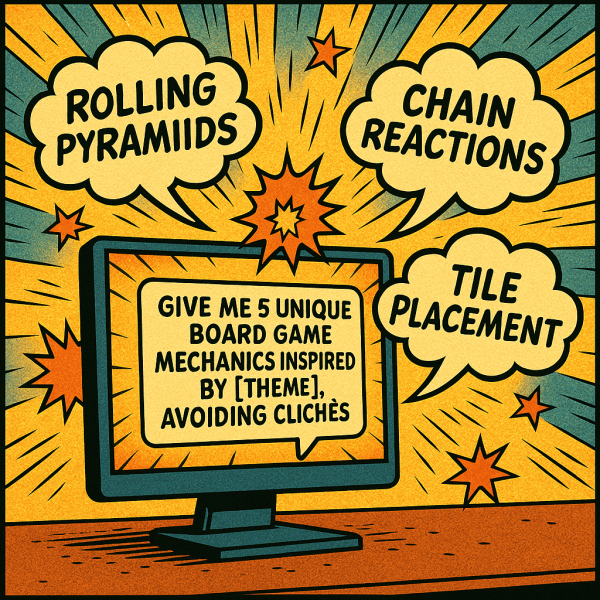
Board game design is a complex journey — from sparking original ideas to refining rules and balancing gameplay. While traditional playtesting remains the cornerstone of development, new tools like Artificial Intelligence (AI) can provide an extra layer of insight, creativity, and efficiency.
Continue reading “Using AI Prompts to Enhance Your Board Game Design”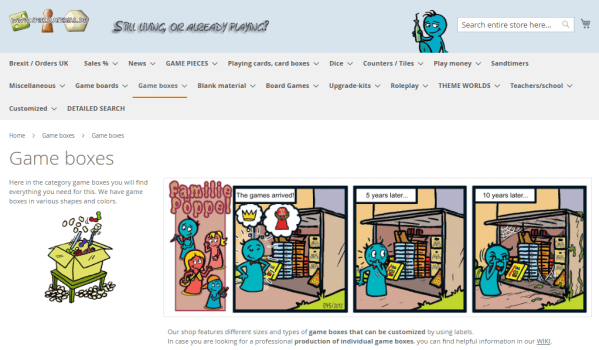
When designing a board game, one of the biggest challenges is sourcing the right components. From meeples and dice to tokens, boards, and card sleeves, every little detail matters in shaping the player’s experience.
Continue reading “Spielematerial.de – A Treasure Trove for Board Game Designers”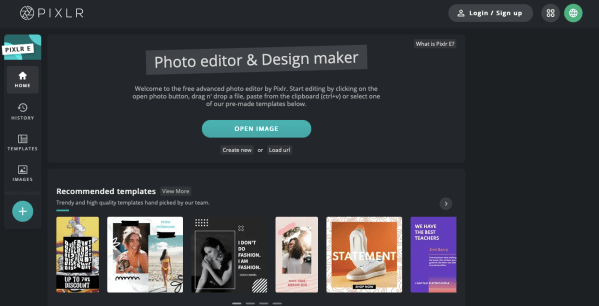
When designing a board game, visuals matter. Even in the prototype stage, having clear, well-presented components can make playtesting smoother and help others understand your vision.
Continue reading “Pixlr: A Free Online Image Editor for Board Game Designers”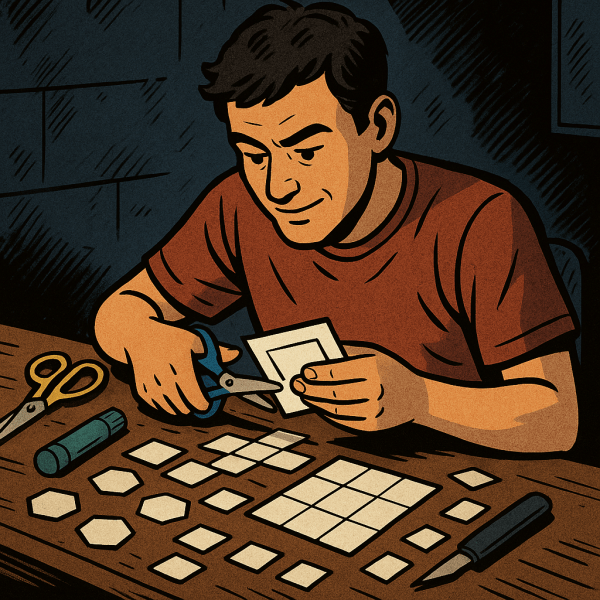
Designing a board game is an exciting journey —but ideas only come to life when they hit the table. The good news? You don’t need expensive machines or professional print runs to start.
Continue reading “From Paper to Prototype: Building Your First Game at Home”
